The short answer is that satin lingerie never lost its fans. It lost its shelf space. Satin is unforgiving to handle, in a retail fitting room and on a factory floor alike, and that practical difficulty pushed it to the edge of the market while lace and microfiber took the middle. Here is what happened, and what it means if you are thinking about putting satin into your own line.
What Is Satin, Exactly?
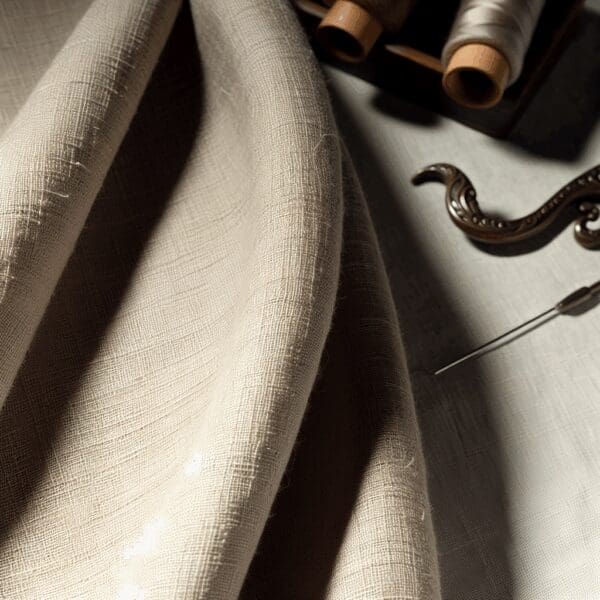
Satin is a weave, not a fiber. That single fact clears up most of the confusion around it. In a satin weave, each warp yarn floats over four or more weft yarns before it tucks under, which puts a long run of unbroken yarn on the face of the cloth. Light hits that smooth surface and bounces back evenly, and you get the shine.
Because it is a weave, satin can be made from almost anything. Silk, polyester, nylon, acetate, and blends of those all get woven into satin. Charmeuse is a lightweight satin weave with a matte back, and it is what most lingerie satin is. Sateen is the cotton cousin, built the same way but with the floats running the other direction. So when a label says satin, it is telling you about the surface and nothing about the content, which is why two satin bras can cost, wear, and wash completely differently.
Why Did Satin Lingerie Disappear From Stores?
Most people of a certain age got their first satin lingerie from Victoria’s Secret. Second Skin Satin was a real hit and a staple in a lot of closets, and then it was quietly discontinued with no particular explanation. Demand was not the problem. Women loved it then and they still ask about it now.
The problem was the sales floor. Satin picks. A rough nail, a ring, or a hangtag staple catches one of those long floats and pulls it up, and the blemish is permanent. Lingerie is a try-on category, so every piece on the rack gets handled by many hands. A rack of satin bras in a busy store degrades faster than the same rack in lace or microfiber, and every picked piece is a markdown. Multiply that across a few hundred doors and a bestseller turns into a shrink problem.
What Makes Satin Hard To Manufacture?
If retailers were complaining, you can imagine what the factory floor looks like. We have run satin programs, and here is where the trouble shows up.
It moves under the blade. Satin is slippery, so the plies shift while they are being cut. That means shorter lays, sometimes tissue paper between layers, and slower cutting. Fabric yield drops and waste goes up before a single stitch is sewn.
Needles leave marks. Fine filament yarns break easily under a blunt or oversized needle, and the result is a line of visible holes along a seam. A satin program needs needle changes far more often than a factory’s normal schedule, which is a discipline problem as much as a technical one.
Seams slip. The same floats that create the shine let yarns slide sideways at a seam under tension. In a garment built to stretch and support, that is exactly where the stress goes.
Rework is close to impossible. Unpicking a seam in cotton gets you a second try. Unpicking a seam in satin leaves needle marks in the face of the fabric, so a mistake is usually a rejected piece rather than a repaired one. That one fact is why satin defect rates sit structurally higher than jersey or lace, and why sampling takes longer: the factory is calibrating machines, not just fitting a pattern.
Which Satin Should You Choose?
| Fiber | Hand And Look | Durability | Relative Cost | Care | Best Use |
|---|---|---|---|---|---|
| Silk charmeuse | Softest, deepest luster, breathes | Low, water spots easily | Highest | Dry clean or careful hand wash | Bridal, luxury sleepwear |
| Polyester | Bright shine, wears warmer | Highest | Lowest | Machine washable | Everyday pieces, prints |
| Acetate | Drape close to silk | Low, weak when wet | Low to mid | Dry clean, scorches easily | Linings, structured panels |
| Nylon with spandex | Soft with some stretch | Good | Mid | Machine wash gentle | Bras, fitted panties |
Is Satin Still Worth Designing With?
In the right place, yes. Satin sells on feel and on light, and no flat fabric competes with it on either. It works where a garment is worn occasionally and handled with some care: bridal, sleepwear, robes, special occasion sets, and lining. It struggles where a garment is worn daily under friction, which rules out most everyday bras, anything with a hard elastic edge, and activewear of any kind.
There is also a point that did not exist twenty years ago. Most small brands now sell online first, where nobody is picking the fabric with a fingernail before they buy, and where shine photographs better than texture. The retail handling problem that killed satin at scale barely touches a direct-to-consumer label. If you are looking at fabric options for a lingerie line, that changes the math in satin’s favor.
Where Can You Still Find Satin Lingerie?
Satin never left the market, it moved to the parts of it that can absorb the handling cost. Bridal and occasion specialists carry it because those pieces are bought for one wearing and treated gently. Sleepwear labels carry it because a slip or a robe sees far less friction than a bra. Independent online brands carry it because they never had a fitting room to protect in the first place. Vintage and resale sellers do steady business in discontinued satin sets, which tells you something about how little the demand ever faded.
Care is the other half of the answer, and it is worth putting on your hangtag rather than leaving to chance. Cold water, gentle cycle or hand wash, no fabric softener, no wringing, and dry away from direct heat. Polyester satin tolerates a good deal of abuse. Silk and acetate do not, and a customer who ruins a piece in the first wash rarely blames the washing machine.
What Should You Know Before You Order?
Choose the fiber for the use case before you choose the weight, because fiber drives cost, care label, and returns. Ask your factory to run a needle and seam-slippage test on your actual fabric before you approve the sample, not on a stand-in of similar weight. Allow more calendar time for sampling than you would for a jersey program, and cost the order with a wider allowance for seconds. If you want the look without committing a whole garment to it, a satin-faced blend or a satin trim panel gets you most of the way there at a fraction of the risk.
It also pays to know where your fabric is coming from, since satin quality varies enormously between mills, and to understand why small lingerie pieces cost what they do before you set a retail price.
Satin did not go out of style. It went out of the part of the market that has to survive a fitting room. If your brand sells where the garment is handled with care, that is your opening, and it is a wider one than it was five years ago. Our lingerie development and manufacturing team has built satin programs before and can tell you early whether your design is one of the ones worth doing.